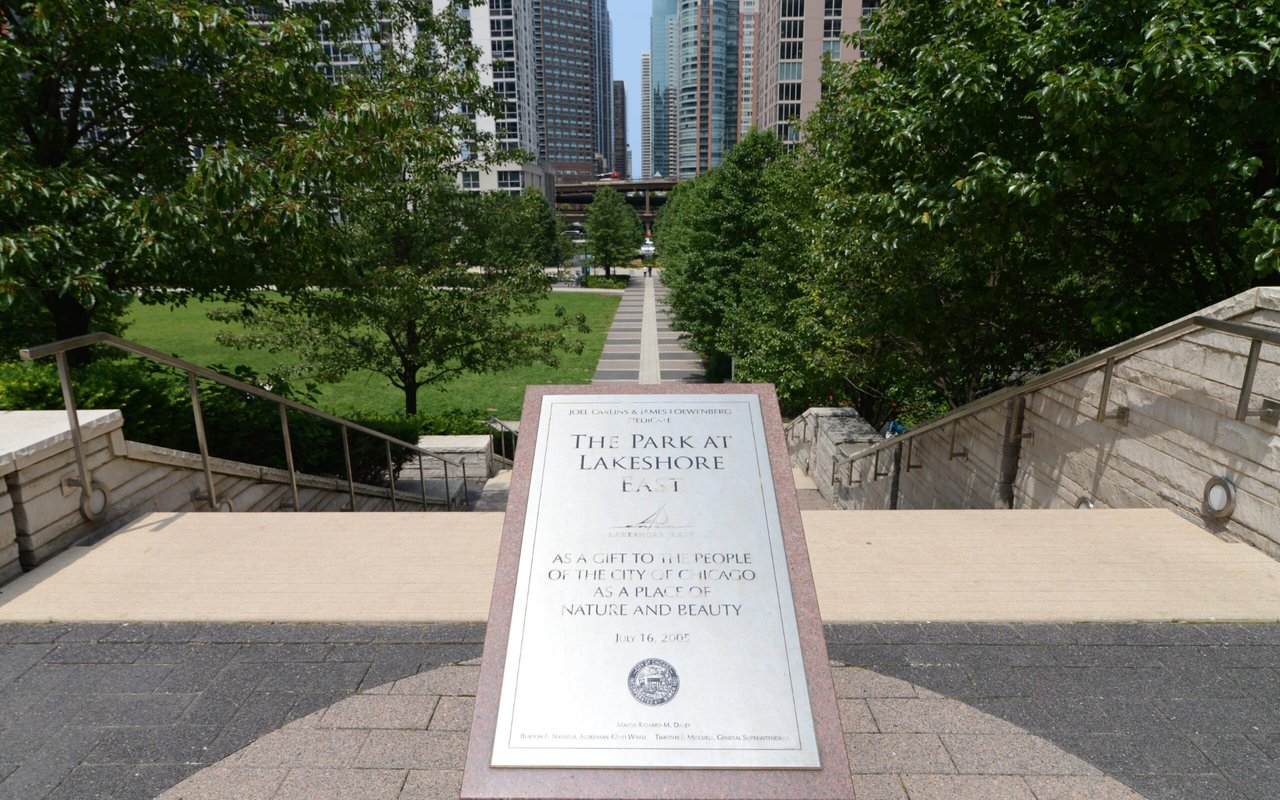
If you are buying or selling in Lakeshore East, you may hear people refer to a Special Service Area, a special assessment, a park assessment or the Lakeshore East bond. The wording gets messy, but the buyer disclosure language points to a Special Assessment District tied to the public improvements that helped create Lakeshore East.
This matters because it is separate from regular condo assessments and separate from the Master Association. It can show up in disclosures, tax-related documents, payoff requests or closing questions. The exact amount depends on the property and should always be verified before a buyer writes an offer or a seller goes under contract.
Quick Answer
- What it is: A special assessment connected to the original Lakeshore East public improvements and bond financing.
- What it helped fund: Initial public improvements such as park, street, utility, storm sewer, sanitary sewer and water system work.
- How payments work: The disclosure describes semi-annual billing, generally connected to March and September payment timing, with the assessment scheduled through 2032.
- Why buyers care: It can affect carrying costs, closing credits, payoff discussions and property disclosures.
- What to verify: Whether the specific unit is subject to the assessment, the current amount, any outstanding balance, and whether a payoff is available.
Special Assessment District vs HOA Assessments
The Lakeshore East special assessment is not the same thing as monthly HOA dues. HOA assessments are paid to the condominium association for building operations, reserves, staff, insurance, amenities and building-specific expenses.
The Lakeshore East special assessment is tied to infrastructure financing for the development area. The Master Association is also separate and was created for ongoing maintenance of shared neighborhood spaces. Buyers should look at all three buckets when estimating monthly and annual carrying costs:
- Condo association assessments
- Master Association obligations, when applicable
- The Lakeshore East special assessment, when applicable
Why Lakeshore East Has This Assessment
Lakeshore East was built as a large master-planned development inside Chicago's New Eastside. When the project began, public improvements had to be built before the neighborhood could function the way it does today. Older documentation describes special assessment bonds connected to the Lakeshore East project and the public improvements serving the area.
That is why this topic matters most for buyers comparing buildings inside the Lakeshore East development with older New Eastside buildings nearby. The names sound similar, but the disclosure obligations are not always the same.
If you need a refresher on the difference, read New Eastside vs Lakeshore East: What's the Difference?.
Which Buildings May Be Affected?
The original article noted that newer buildings in the Lakeshore East development were generally assigned a share of the assessment based on ownership percentage, with exceptions called out for Aqua and Parcel O in the original master-plan discussion. Existing New Eastside buildings built before Lakeshore East are different and should not be lumped into the same category without checking the actual documents.
Because this is a property-specific issue, do not rely on a building name alone. If you are buying, selling or refinancing, confirm the current status through your attorney, title company, association documents, payoff request, current assessment bill or the servicing agent listed on the most recent official notice.
What Buyers Should Ask Before Making an Offer
- Is this unit subject to the Lakeshore East special assessment?
- What is the current semi-annual payment?
- Are any payments past due?
- Can the balance be paid in full, and if so, what is the payoff amount?
- Who is responsible for prorated payments at closing?
- Is the assessment shown in the seller disclosures, title documents or attorney review materials?
- How should the payment be treated when comparing this condo with other downtown Chicago condos?
What Sellers Should Prepare
If you are selling in Lakeshore East, gather the assessment information early. Waiting until attorney review or closing can slow things down, especially if a buyer has never heard of the Lakeshore East special assessment before.
- Pull the most recent assessment bill or notice.
- Ask whether there is a current payoff statement.
- Confirm whether payments are current.
- Share the information with your listing agent and attorney before you go live.
- Be ready to explain that this is separate from monthly HOA assessments.
Where the 2032 Date Comes From
The older disclosure language says the special assessment bonds have a 30-year life, with billing beginning in 2005 and ending in 2032. That does not mean every unit's situation should be assumed without review. It means buyers and sellers should use 2032 as a prompt to ask better questions and verify the current payment status.
Payment and Contact Information
Older Lakeshore East materials list BNY Mellon-related servicing contacts for assessment questions. Before sending payment or relying on a phone number or email address, verify the current servicing instructions on your latest bill, title documents, attorney correspondence or closing statement.
The New Eastside Association of Residents archive also has historical discussion and documents about the Lakeshore East special assessment. Treat older archived information as background, not as a substitute for current closing guidance.
FAQ About the Lakeshore East Special Assessment
Is the Lakeshore East special assessment the same as HOA dues?
No. HOA dues are paid to the condo association. The special assessment is tied to the original Lakeshore East public improvement financing and should be reviewed separately.
Is this the same as the Master Association?
No. The Master Association is connected to ongoing shared-area maintenance and neighborhood operations. The special assessment relates to the public improvements and bond structure described in the original disclosure materials.
Does every New Eastside condo have this assessment?
No. Lakeshore East is part of the broader New Eastside, but not every building in the New Eastside is part of the Lakeshore East development or the same assessment structure.
Can the special assessment be paid off?
Some owners may be able to request a payoff, but the answer depends on the specific property and the current servicing instructions. Verify this through the servicing agent, title company and attorney before relying on a payoff number.
Is this legal, tax or financial advice?
No. This is local real estate information for buyers and sellers. Always confirm your own property details with your attorney, title company, lender, association and the current assessment servicer.
Buying or Selling in Lakeshore East?
This is exactly the kind of detail that can make a downtown Chicago condo transaction feel confusing if no one explains it clearly. I help buyers and sellers understand the difference between New Eastside buildings, Lakeshore East buildings, HOA assessments, Master Association costs and special assessment questions before they become surprises.
For more neighborhood context, read How to Navigate Lakeshore East and Green is the New Urban: The Park at Lakeshore East.
If you are considering a move in Lakeshore East or the New Eastside, reach out to Ginger Menne for local guidance before you buy, sell or make a pricing decision.
